ACL - Return to Sport (ACL-RTS)
Assess readiness of the athlete for return to sports (RTS) through a complete biomechanical evaluation of sport specific activities. A pre-mature return to play is associated with persistent neuromuscular deficits, reduced strength, and incomplete functional recovery, which significantly increase the likelihood of graft rupture or contralateral anterior cruciate ligament (ACL) injury. A complete 3D kinematic and kinetic assessment aims to identify areas of improvement in athlete's strength performance or agility required for sports participation.
Who It's For

Athletes
who are planning to return to sport/play after having undergone ACL reconstruction surgery and sufficient rehabilitation.

Patients
undergoing rehabilitation after an anterior cruciate ligament injury.

Anyone
Usually at least 6-9 months after injury/surgery.
How It Works
-
Clinical Evaluation
Assessment of joint range, strength and stability.
-
3D Motion Capture
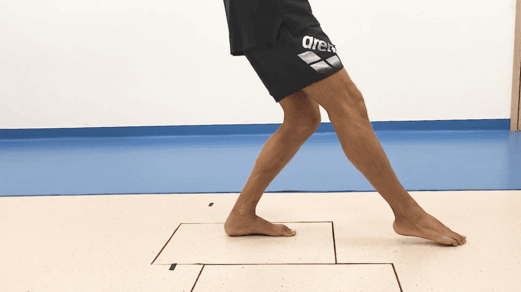
Reflective markers placed on legs during various jumping, landing tasks, hops, pivoting and deceleration tasks.
-
Advanced Analysis
Complete lower limb kinematic and kinetic analysis
-
Reports
Approval for safe return to sports activities
Benefits
- Objective assessment of movement quality
Provides precise measurement during functional tasks (e.g., cutting, jumping), allowing detection of abnormal movement patterns that may not be visible through clinical observation.
- Identification of residual biomechanical deficits
Helps detect asymmetries in limb loading, altered knee mechanics, and compensatory strategies that may increase the risk of re-injury to the ACL.
- Guidance for individualized rehabilitation
Can inform targeted interventions to correct faulty mechanics and improve neuromuscular control.
- Evidence-based return-to-sport decision making
Objective biomechanical metrics support clinicians in determining whether an athlete has achieved safe functional readiness to return to sports while minimizing re-injury risk.

Balance Assessment in Diabetes
Early balance testing prevented falls in a 65-year-old diabetic patient.
Read Full Case Study