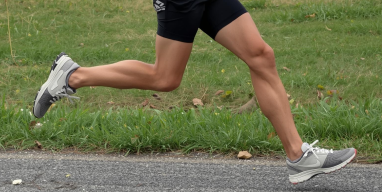
At the 3D Gait & Motion Analysis Lab, Gurugram, we see a wide variety of runners - recreational joggers, marathoners and athletes. One of the most common issues that can affect both performance and injury risk is overstriding.
Let’s break down what overstriding is, why it happens, how it affects your running and most importantly - how we can help you fix it with cutting-edge analysis and expert guidance.
What is Overstriding?
Overstriding refers to the habit of landing with the foot too far in front of the body during running, often with a straight knee and heel-first contact. This excessive stride length leads to a braking effect that disrupts efficient forward motion, increases ground reaction forces and places greater stress on the knee and hip joints.
Why is Overstriding a Problem?
- Increased risk of injury: Overstriding adds extra force through your legs, leading to common injuries like runner’s knee, shin pain, hamstring pulls and stress fractures.
- Reduced running efficiency: Instead of using your body’s natural spring-like motion, you waste energy absorbing impact and trying to stay balanced.
Why Do Runners Overstride?
Multiple factors contribute to overstriding:
- Lack of awareness about proper running mechanics
- Weak core and hip stabilizers
- Limited ankle or hip mobility
- Running in shoes that promote excessive heel striking
- Trying to artificially lengthen stride for speed (often with the opposite effect)
Characteristic Signs of Overstriding
- Feeling like your steps are “slapping” the ground
- Landing well ahead of your hips
- Recurrent pain in knees or shins
- Cadence lower than 165 steps per minute
Role of 3D Analysis in Addressing Overstriding
While 2D video can estimate overstriding visually, 3D motion analysis precisely identifies underlying causes such as reduced ankle/knee motion, poor cadence, poor hip control or weak core. This enables targeted interventions rather than generic advice.
3D systems measure pelvic tilt, pelvic rotation, pelvic drop, trunk lean and trunk rotation across all planes of motion. For example, anterior pelvic tilt increases patellofemoral joint stress - correcting trunk posture and stride length can reduce joint loading.
Conclusion
Overstriding can result from poor habits, muscle imbalances or limited mobility - but it’s fixable. With advanced 3D motion capture and force plate technology, we can assess your running form, address biomechanical inefficiencies and help you run smarter, safer and stronger.